
How to Choose the Right Glider for Your Nursery
As an Amazon Associate I earn from qualifying purchases.
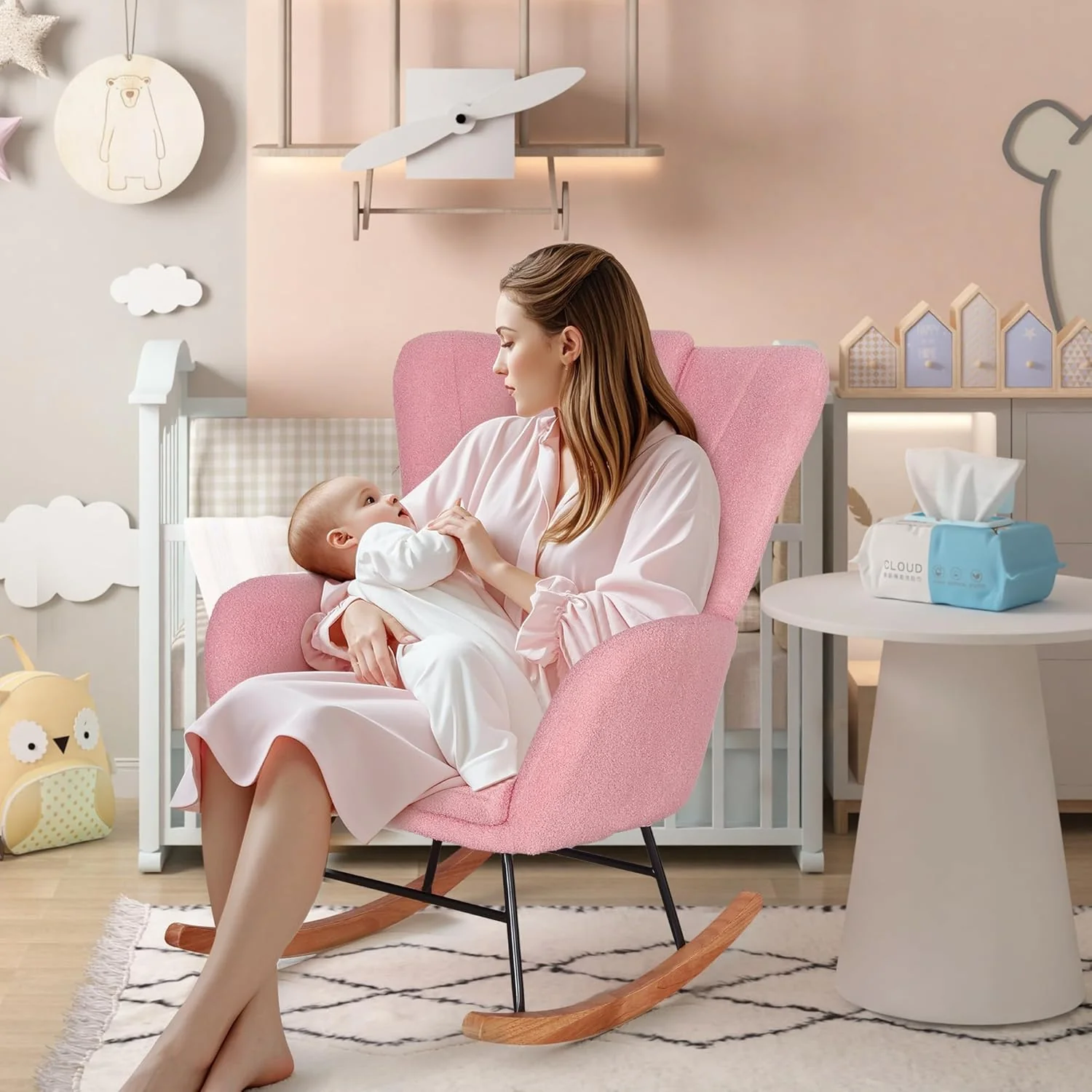
Choosing the right nursery glider can make nighttime feedings, bonding sessions, and those long newborn routines so much more comfortable for both you and your baby. If you’re wondering how to choose the right nursery glider without feeling overwhelmed, this guide walks you through every detail — from comfort and ergonomics to safety, room size, fabrics, and must-have features.
In our nursery chair guides — like the reader-favorite Best Nursery Chairs for Tall Parents — we often highlight how the right glider can improve posture and reduce back and shoulder strain. This guide builds on those foundational principles and helps you choose a chair that fits your space, your body, and your daily routine.
In this guide
- What Type of Nursery Glider Should You Choose?
- Prioritize Comfort & Ergonomics
- Look for Safety & Stability
- Choose the Right Fabric & Easy-Cleaning Options
- Consider the Size & Fit for Your Nursery
- Must-Have Features to Look For
- Budget — How Much Should You Spend?
- Final Tips for Choosing the Perfect Nursery Glider
- Frequently Asked Questions
What Type of Nursery Glider Should You Choose?

Before thinking about fabrics or added features, it’s helpful to understand the main types of nursery seating. Each one offers a different experience, and your choice will affect feeding posture, motion style, and how well the chair fits your space.
Traditional Nursery Glider: Moves smoothly back and forth on a fixed track, offering gentle motion ideal for soothing a baby. These often include plush cushioning and supportive armrests.
Rocking Chairs: Move in a natural arc, creating a classic rocking rhythm. While charming, they require a bit more balance — something to consider when standing up with a sleeping newborn.
Swivel Gliders: Combine the standard gliding motion with a 360° swivel base. These are perfect if you want to turn toward a crib, dresser, or feeding cart without lifting or shifting your whole body.
Reclining Gliders: Offer upright, semi-recline, and full recline options for feeding or skin-to-skin bonding. Many include ottomans or built-in footrests for added comfort.
Prioritize Comfort & Ergonomics
Comfort should always come first when choosing a nursery glider. You’ll spend long nights feeding, rocking, or calming your baby in this chair — so it must support your back, arms, and posture. A glider that feels “okay” at first might become uncomfortable during longer sessions, so it’s important to evaluate how it fits your body.
Seat Depth: Taller parents benefit from deeper seats, while parents who prefer an upright feeding position may want a more moderate depth. Your feet should rest flat on the floor without leaning backward.
Back Support: A high back is ideal for resting your head during late-night feeds. Lumbar pillows or built-in support can prevent lower back strain.
Armrest Height: Proper arm support reduces shoulder and wrist tension during feeding sessions. Look for padded, well-positioned armrests that help keep baby lifted comfortably.
Smooth, Quiet Motion: A whisper-quiet glide keeps your baby calm and prevents wake-ups during transitions in and out of the chair.
Look for Safety & Stability
When selecting a nursery glider, safety should be just as important as comfort. Since you’ll be using the chair while holding a newborn—often when you’re tired or during middle-of-the-night feedings—you want a model that feels secure, balanced, and smooth.
Sturdy Frame: Choose a glider made from high-quality wood or steel. A solid frame prevents wobbling and keeps the chair stable as you move.
Smooth, Controlled Motion: Look for gliders with enclosed or protected mechanisms. This prevents little fingers from getting caught and ensures a consistent glide without sudden jerks.
Wide Base: Chairs with a broader base distribute weight better and reduce tipping risk—especially helpful when leaning forward to pick up your baby.
Choose the Right Fabric & Easy-Cleaning Options
Between spit-ups, spills, and everyday messes, your glider’s fabric will be tested. Picking the right upholstery can save you hours of cleaning and keep your chair looking fresh through the baby months and beyond.
Performance Fabrics: These are designed to resist stains and repel liquids. Many are easy to wipe clean, making them ideal for busy parents.
Microfiber & Polyester: Soft, durable, and naturally resistant to spills. Microfiber is especially popular because it’s gentle on baby skin and easy to maintain.
Bouclé & Textured Fabrics: Very trendy and cozy, but some require more spot-cleaning. If you choose these, make sure the chair offers removable cushions.
Removable Covers: A huge plus. Being able to remove and wash the fabric can extend the life of your chair dramatically.
Consider the Size & Fit for Your Nursery
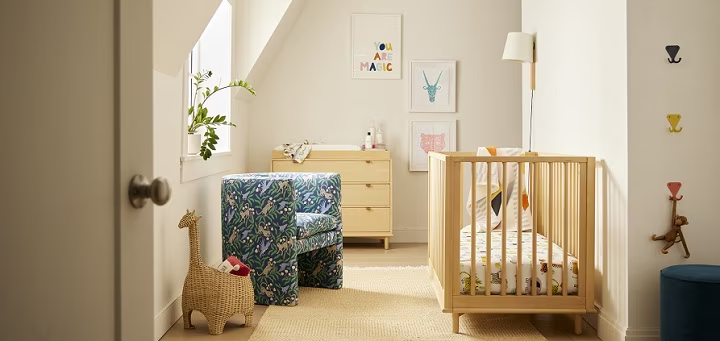
Even the best glider won’t work well if it doesn’t fit the layout of your nursery. Before buying, take a few minutes to measure your space and think about how the chair will function during feedings and bedtime routines.
Measure Your Corners: Decide where the chair will go, then measure the width and depth of that space. Remember to account for the chair’s glide or swivel range.
Check Doorway Widths: Many gliders come pre-assembled or partially assembled. Make sure the chair can fit through your hallway or nursery door.
Leave Room for Movement: Gliders need clearance behind and in front to move smoothly—especially recliners. Avoid placing them too close to cribs, walls, or dressers.
If space is tight, you may find helpful ideas in our guide on nursery gliders for small rooms, which breaks down compact chair options designed for tight corners.
Must-Have Features to Look For
The right features can make late-night feedings, rocking sessions, and daily routines more comfortable. While not every chair needs all of these, the right combination can significantly improve your experience.
Recline Function: Great for nighttime feeds or resting during long newborn sessions. Adjustable recline gives you flexibility and helps relieve back pressure.
Swivel Base: Allows you to turn toward your baby’s crib, dresser, or changing station without getting up—ideal when your hands are full.
Lumbar Pillow: Many chairs come with a small pillow for lower-back support. If not, consider buying one separately to improve posture.
Ottoman or Footrest: Elevating your feet can make a huge difference in comfort, especially during long feeding sessions.
Side Pockets: Perfect for keeping burp cloths, bottles, pacifiers, and books within arm’s reach.
Quiet Mechanism: A silent glide prevents sleep disruptions—an essential feature when transitioning baby from feeding to crib.
Budget — How Much Should You Spend?
Nursery gliders come in a wide range of prices, and it’s completely possible to find a great, comfortable chair without overspending. The key is understanding how different features and materials affect cost so you can choose what matters most to you.
Under $200: These are basic gliders with simple padding and limited features. They can work well for grandparents’ homes or backup seating, but may not offer ideal long-term comfort.
$200–$400: The most common price range. You’ll find great options with quiet glide mechanisms, durable fabric, and reliable comfort. Many bestselling nursery gliders fall here.
$400–$700: Premium models with performance fabric, built-in recline, swivel bases, and higher-quality padding. These chairs often last well into the toddler years.
$700 and up: Luxury options, usually featuring top-tier fabric, full recline, heavy-duty frames, or designer aesthetics. Beautiful, long-lasting, but not necessary for most parents.
If budget is a major concern, you may find helpful ideas in our guide on building a functional nursery on a budget, which covers how to prioritize essentials without sacrificing comfort or safety.
Recommended Resource
For a deeper dive into nursery layout planning and creating a safe, ergonomic feeding setup, check out this helpful guide:
Final Tips for Choosing the Perfect Nursery Glider
Now that you understand what to look for—comfort, support, stability, fabric, size, and features—you’re ready to choose a glider that fits both your lifestyle and your nursery layout. To wrap things up, here are a few final pointers that can make the decision even easier.
Test the Chair When Possible: Sit in the glider to evaluate its comfort, seat depth, and stability. A quick test can reveal whether the chair fits your body well.
Think About Long-Term Use: Many gliders transition beautifully into reading chairs or living room seating once your baby grows. If that’s your plan, choose a style you’ll love beyond the newborn stage.
Consider Your Height: Taller parents may prefer higher backs, deeper seats, and firmer support. For more height-specific tips, check our guide on nursery chairs for tall parents.
Match Your Nursery Theme: Whether your room is modern, minimalist, or cozy and colorful, choose a glider that blends in beautifully and creates a calming space for your baby.
A nursery glider is one of the most important pieces of furniture you’ll use during your baby’s first year. Taking the time to choose the right one ensures comfortable feeding sessions, smoother bedtime routines, and countless moments of bonding that you’ll treasure for years.
Frequently Asked Questions
What is the most important feature in a nursery glider?
Comfort and support come first. Look for a smooth glide, good back support, and armrests that help maintain a comfortable feeding position.
Is a recliner better than a regular glider?
Recliners provide more flexibility for nighttime feeds and resting, while standard gliders are more compact and easier to fit in smaller nurseries.
What fabric is best for a nursery glider?
Performance fabrics or microfiber are ideal because they’re easy to clean, durable, and resistant to stains—perfect for newborn phases.
Do I need an ottoman?
An ottoman isn’t mandatory, but elevating your feet can make long feeding sessions more comfortable and reduce leg and lower-back tension.
How much space should I leave around a glider?
Leave 12–18 inches of clearance in front and behind the chair so it can glide smoothly without hitting walls or nearby furniture.
Amazon and the Amazon logo are trademarks of Amazon.com, Inc, or its affiliates.

